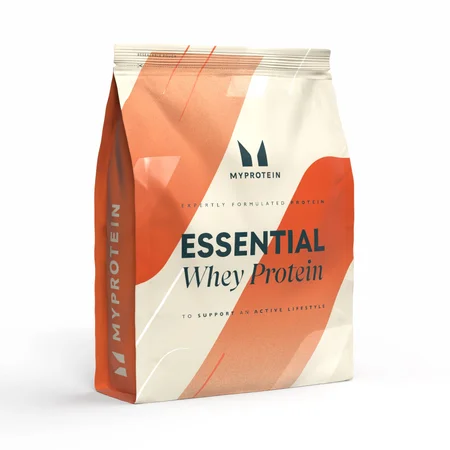
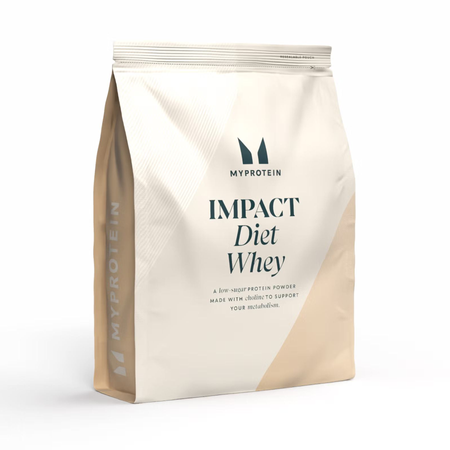
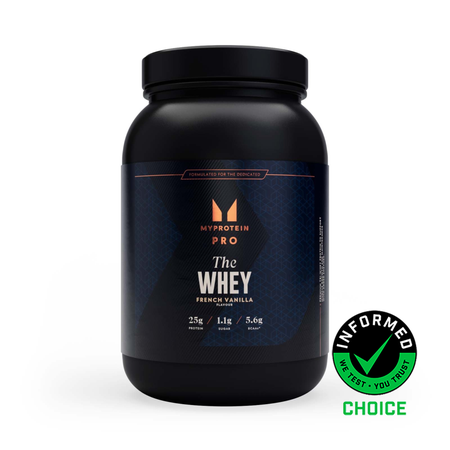
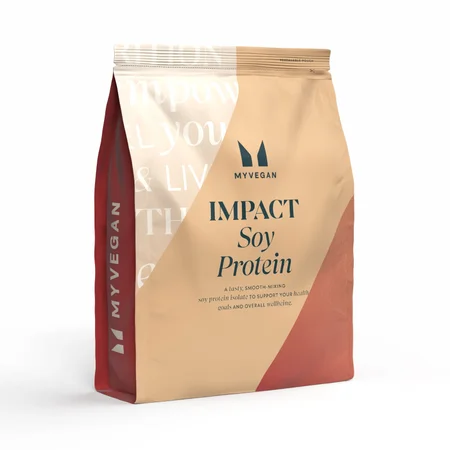
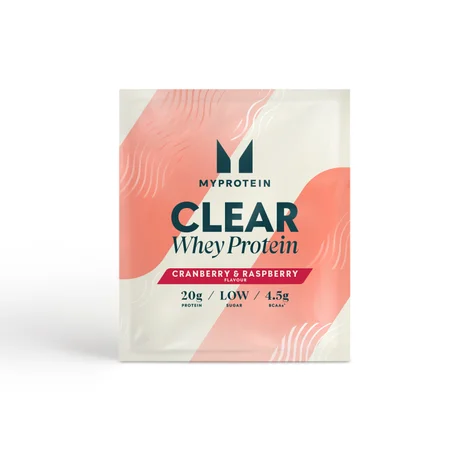
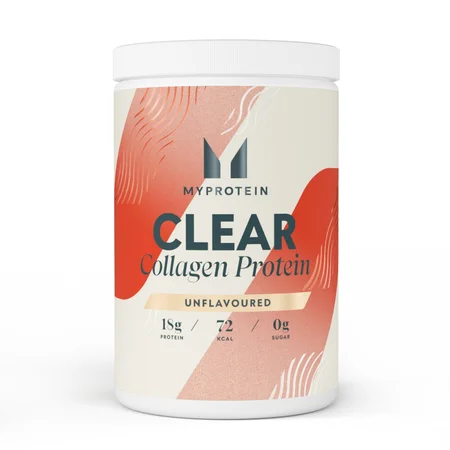
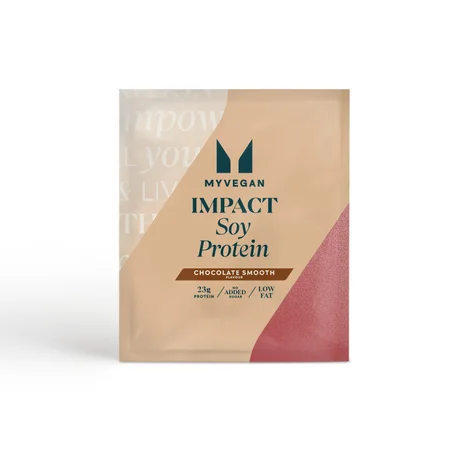
Shop Protein Powders & Protein Shakes at Myprotein
Protein powder is one of the most practical ways to hit your daily protein targets — whether you're training hard, eating on the go, or simply trying to get more from your diet. The range here covers everything from classic whey and clear whey to plant-based blends, collagen proteins, and mass gainers, giving you genuine choice regardless of your goals or dietary preferences. Protein contributes to the growth and maintenance of muscle mass1, making it a cornerstone of any serious training plan.
With over 20 protein powders and protein shakes to choose from, there's a format and flavour for every routine. Isolates, concentrates, vegan proteins, clear refreshing styles — each one is formulated to deliver real protein content without the fuss. Many options come in under 150 calories per serving, making it straightforward to build your intake around whatever you're eating the rest of the day.
Who Protein Powders & Protein Shakes Are For
Protein shakes aren't just for bodybuilders — they're for anyone who wants a reliable, convenient source of high-quality protein. Gym-goers, runners, cyclists, team sport athletes, and people who simply struggle to eat enough protein through food alone all use protein powder as a practical daily tool. If you're lifting weights and want to maximise the effort you're putting in, protein contributes to the maintenance of muscle mass1 — so getting enough of it matters.
Active people with busy schedules get a lot out of protein shakes in particular: they mix in seconds, travel well, and deliver a solid protein hit without having to prepare a full meal. Those following plant-based diets will find dedicated vegan options made from pea, soy, or blended plant sources, while anyone looking for something lighter and more refreshing can opt for a clear whey format that drinks more like a juice than a traditional shake.
When to Use Protein Powders & Protein Shakes
Post-workout is the moment most people reach for a protein shake, and for good reason — it's a fast, practical way to get protein in after training. Mix a serving with water or milk straight after your session, or blend it into something more substantial if you're using it as a meal. Many people also use protein powder first thing in the morning or as a mid-afternoon top-up when meals alone aren't quite hitting their daily protein targets.
Timing is flexible — protein powder works whenever it fits your schedule. Mass gainers work well around training for those chasing size, while lighter clear whey or isolate options suit those who want something easy to digest at any point in the day. The key is consistency: hitting your protein intake across the whole day matters more than fixating on any single window.
Protein Powders & Protein Shakes Benefits
A Concentrated Source of High-Quality Protein
Most protein powders deliver between 20g and 30g of protein per serving, making them one of the most efficient ways to meet daily targets. Whey protein in particular contains all nine essential amino acids — the building blocks your body can't produce on its own. Protein contributes to the growth and maintenance of muscle mass1, so getting enough of it each day is fundamental to seeing results from your training.
Formats for Every Goal and Lifestyle
The range spans traditional milkshake-style whey, light and refreshing clear whey, plant-based blends, collagen proteins, and high-calorie mass gainers — meaning there's a format suited to virtually every goal. Whether you need something that blends into a creamy shake, mixes into oats, or drinks like a fruit squash after a run, there's an option built for that. Dietary preferences are covered too, with dairy-free, soy-based, and pea protein options available.
Low-Calorie, High-Protein Nutrition
Many protein powders here deliver 20g or more of protein for under 150 calories per serving — a ratio that's difficult to match through whole food sources alone. That makes them particularly useful for anyone managing their calorie intake while still wanting to protect muscle mass. Protein also contributes to the maintenance of normal bones2, adding further nutritional value beyond muscle-focused goals.
Collagen Protein for an Extra Dimension
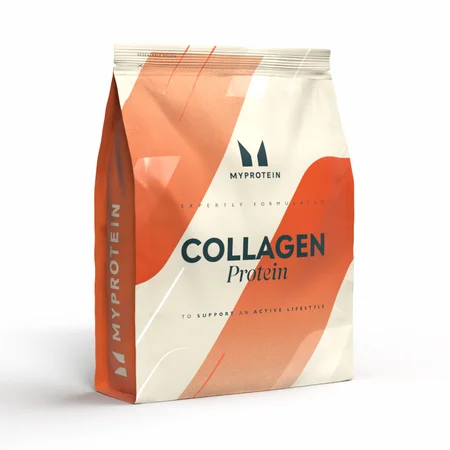
Several products in the range combine whey or clear whey with bovine collagen peptides (Type I), giving you two distinct protein sources in a single serving. Collagen is the most abundant protein in the body, found in connective tissue, skin, and joints. These dual-format options are popular with those who want to go beyond standard muscle-focused nutrition and include collagen as part of a broader approach to their daily protein intake.
Popular Picks
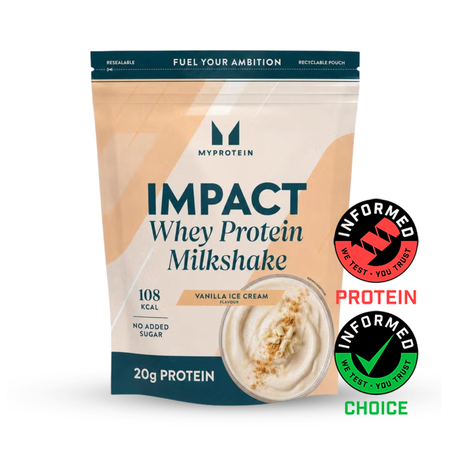
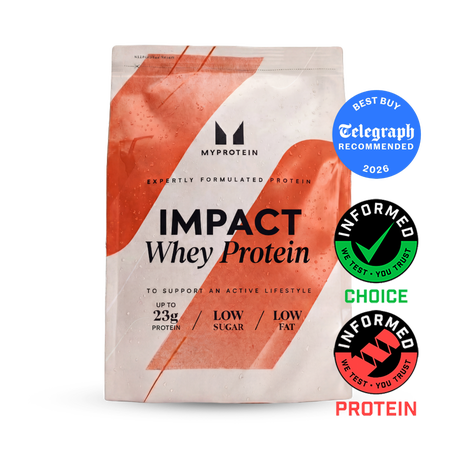
Impact Whey Protein Milkshake — If you want a high-protein shake that tastes like a proper milkshake, Impact Whey Protein Milkshake delivers 20g of protein per serving with zero added sugar and under 112 calories.
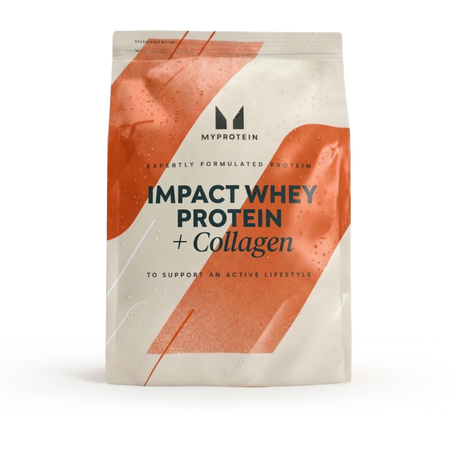
Impact Whey Protein + Collagen — Built for those who want more than just protein, Impact Whey Protein + Collagen combines 20g of protein with 10g of bovine collagen peptides (Type I) and 52mg of vitamin C, which contributes to normal collagen formation and immune function.
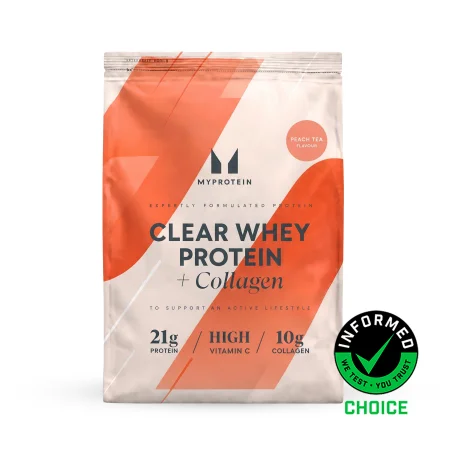
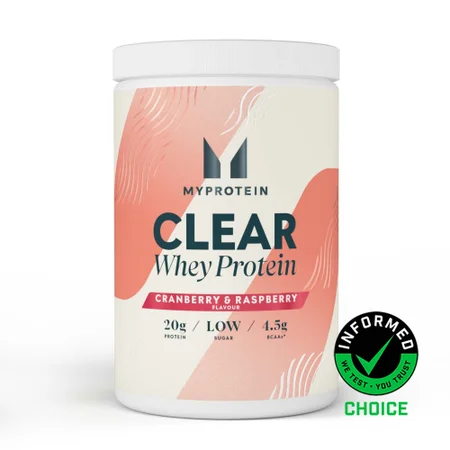
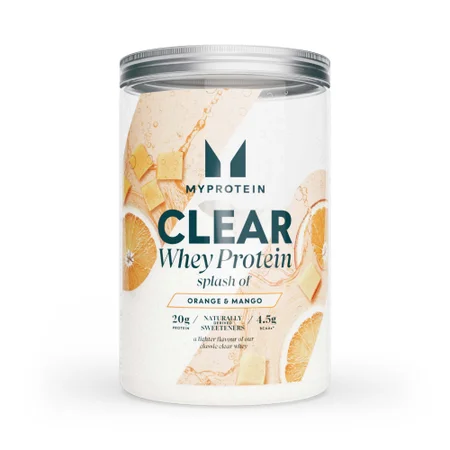
Clear Whey Protein + Collagen — For a lighter, juice-style alternative to traditional shakes, Clear Whey Protein + Collagen packs 21g of protein and 10g of bovine collagen peptides (Type I) alongside vitamin C, which contributes to normal collagen formation for cartilage function.
FAQs
What is protein powder and how does it work?
Protein powder is a concentrated food supplement made from protein sources such as whey, casein, pea, or soy, typically providing 20–30g of protein per serving in an easy-to-mix format. Protein is made up of amino acids — the building blocks used throughout the body — and protein contributes to the growth and maintenance of muscle mass1. Powder form simply makes it faster and more convenient to hit daily protein targets compared to eating equivalent amounts through whole food sources alone.
What are the best protein powders in Ireland?
The best protein powder in Ireland depends on your goals, diet, and flavour preferences — but the range here covers all the main bases. Impact Whey Protein Milkshake delivers 20g of protein per serving for under 112 calories, making it a practical everyday choice. Those after something lighter can opt for a clear whey format, while plant-based options using pea or soy are available for those avoiding dairy. Myprotein's expert nutritionists developed every formula in the range.
What's the difference between whey protein and plant protein powder?
Whey protein is derived from milk and is a complete protein, meaning it contains all nine essential amino acids. Plant protein powders — such as pea, soy, or blended plant sources — are suitable for those following vegan or dairy-free diets. Soy protein is also a complete protein, while pea protein is high in BCAAs. Both whey and plant proteins contribute to the growth and maintenance of muscle mass1, so the right choice comes down to dietary preference and digestive tolerance rather than one being categorically superior.
How much protein powder should I take per day?
Most people use one to two servings of protein powder per day, typically delivering 20–40g of additional protein depending on the product. The right amount depends on your total daily protein intake from all food sources, your body weight, and your training volume. Protein powder is designed to complement your diet rather than replace it — use it to bridge the gap between what you're eating and what you actually need each day.
Can I use protein shakes if I'm not doing heavy weight training?
Protein shakes are useful for anyone who wants to increase their protein intake, regardless of how they train. Runners, cyclists, and those doing general fitness work all use protein powder as part of their routine. Even people who don't train formally but struggle to get enough protein through meals alone find them a practical addition to their diet. There's no requirement to be lifting heavy weights to make protein powder worthwhile.
What's the difference between a protein concentrate and a protein isolate?
Whey protein concentrate typically contains around 70–80% protein by weight, with small amounts of fat and carbohydrates included. Whey protein isolate undergoes additional filtration to remove more of the fat and lactose, resulting in a higher protein percentage — often 90% or above — per serving. Isolates tend to be a better fit for those who are lactose-sensitive or who want a leaner nutritional profile, while concentrates offer a solid all-round option at a slightly broader macronutrient range.
What protein powder would you recommend if I want something lighter than a traditional shake?
Clear Whey Protein + Collagen is a strong choice for anyone who finds traditional milkshake-style proteins too heavy. It delivers 21g of protein per serving alongside 10g of bovine collagen peptides (Type I), and it mixes into a light, juice-like drink rather than a thick shake — making it particularly easy to get through after a workout. It's a good option for those who want their post-training protein to feel refreshing rather than filling.
Are Myprotein protein powders suitable for vegetarians or vegans?
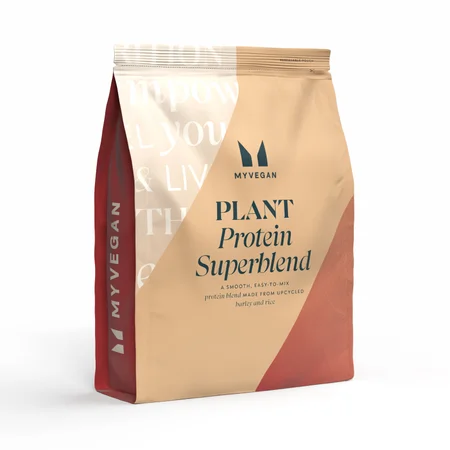
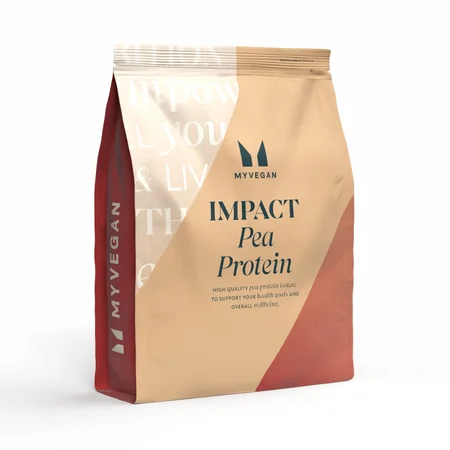
Several products in the range are suitable for vegetarians and vegans. Dedicated plant-based options include Impact Pea Protein, Impact Soy Protein, and Plant Protein Superblend, all formulated without dairy-derived ingredients. Whey-based products are suitable for vegetarians but not vegans. Each product page lists full ingredient and suitability information so you can check against your specific dietary requirements before purchasing.
Who developed Myprotein's protein powders?
Myprotein's protein powders and protein shakes are developed by an in-house team of expert nutritionists. Every formula is built around delivering accurate, effective nutrition — from the protein content per serving through to the flavouring and mixability. The range is regularly reviewed and updated to reflect the latest nutritional thinking and customer feedback.
Are there protein powders in this range that also contain collagen?
Impact Whey Protein + Collagen and Clear Whey Protein + Collagen both combine protein with 10g of bovine collagen peptides (Type I) per serving. Impact Whey Protein + Collagen delivers 20g of protein per serving in a classic shake format, while Clear Whey Protein + Collagen provides 21g of protein in a lighter, juice-style drink. Both give you two distinct protein sources in a single serving — whey protein alongside collagen — without needing to take them separately.
1. Protein contributes to the growth and maintenance of muscle mass.
2. Protein contributes to the maintenance of normal bones.