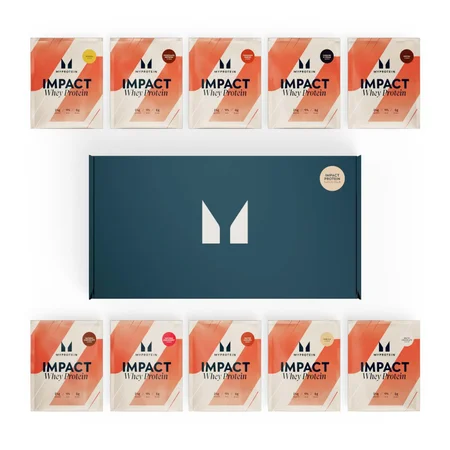
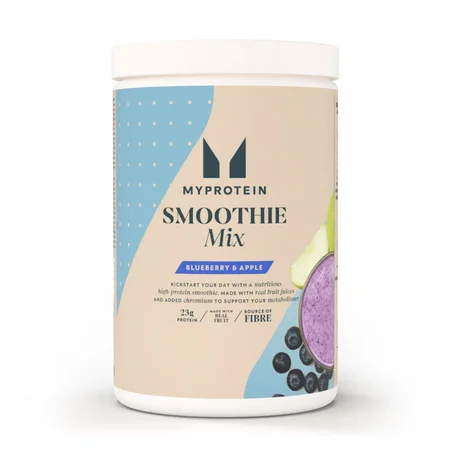
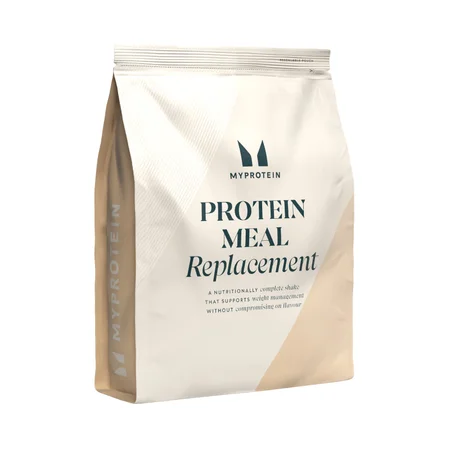
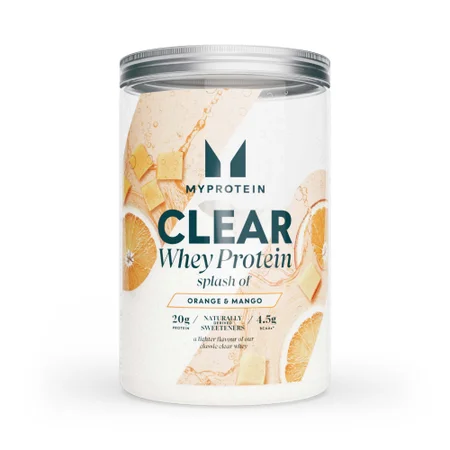
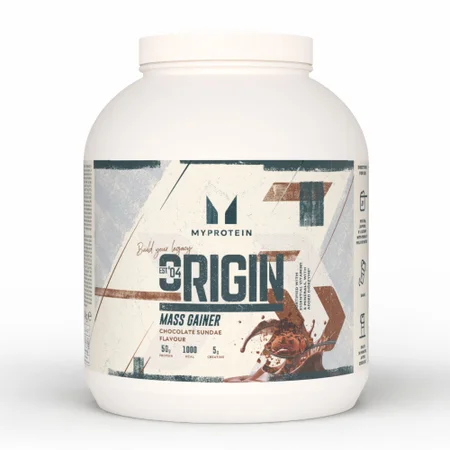
Shop Whey Protein Powders at Myprotein
Whey protein powder is one of the most studied and widely used supplements in sport and fitness — and for good reason. Derived from milk during the cheese-making process, whey delivers a complete amino acid profile in a fast-digesting, convenient format. Whether you're hitting the gym before work or training twice a day, a quality whey protein powder fits seamlessly into the routine. Protein contributes to the growth and maintenance of muscle mass1, making it a staple for anyone serious about their training.
The whey protein powders range spans everything from classic concentrates and isolates to clear whey formats, collagen blends, and high-calorie mass gainers — over 20 products in total. Every formula is developed with genuine nutritional rigour, so you know exactly what's in your shaker. If you're in Ireland or anywhere across Europe, it's all available with straightforward delivery and a flavour range that actually makes you want to use it.
Who Whey Protein Powders Are For
These products are built for anyone who trains with purpose and wants to hit their protein targets without overthinking it. That includes weightlifters and resistance trainers looking to build muscle mass, endurance athletes managing recovery between sessions, and everyday gym-goers who simply want more protein in their diet. If you're physically active and your daily meals aren't delivering enough protein on their own, whey powder is the most practical fix going.
Whey protein isn't exclusively for elite athletes or bodybuilders. It's equally well-suited to people returning to training after a break, those with higher protein needs due to their activity level, or anyone who wants a quick, nutritious option post-workout when cooking a full meal isn't realistic. The range is broad enough to match different goals — from lean formulas for those watching calories to mass gainers for those aiming to add size.
When to Use Whey Protein Powders
Post-workout is the most popular time to use whey protein powder, and it makes practical sense. After training, your body needs amino acids readily available — whey digests quickly and delivers them fast. Mixing a serving with water or milk immediately after your session is a simple way to make sure protein intake doesn't fall short on training days. Protein contributes to the maintenance of muscle mass1, so consistency matters as much as timing.
That said, whey protein powder isn't limited to post-workout use. Many people use it first thing in the morning to boost protein intake early in the day, or between meals as a convenient snack alternative. Clear whey formats work particularly well as a lighter, refreshing mid-session or midday drink. The key is hitting your total daily protein target — when you take it matters less than whether you take it consistently.
Whey Protein Powders Benefits
Complete Amino Acid Profile
Whey is a complete protein, meaning it contains all nine essential amino acids your body can't produce on its own. This includes the branched-chain amino acids leucine, isoleucine, and valine — three of the most abundant amino acids in muscle tissue. That full amino acid profile is what makes whey one of the most nutritionally comprehensive protein sources available in supplement form.
Muscle Growth and Maintenance
Protein contributes to a growth in muscle mass and to the maintenance of muscle mass1. Whey protein powder is one of the most efficient ways to meet the protein intake that makes this possible — particularly for those who struggle to reach their targets through whole food alone. A single serving typically delivers 20g or more of high-quality protein.
Format Variety to Match Your Lifestyle
From classic concentrates and isolates to clear whey, collagen blends, milkshake-style formulas, and high-calorie mass gainers — there's a whey protein format for every preference and goal. Whether you want something thick and indulgent or light and refreshing, the range covers it. That variety means it's easier to stay consistent because you're not forcing down something you don't enjoy.
Versatile and Easy to Use
Whey protein powder dissolves easily in water or milk and takes seconds to prepare. Beyond shakers, it works just as well stirred into oats, blended into smoothies, or used in baking. That flexibility makes it one of the most practical ways to increase daily protein intake without overhauling your whole diet or spending more time in the kitchen.
Popular Picks
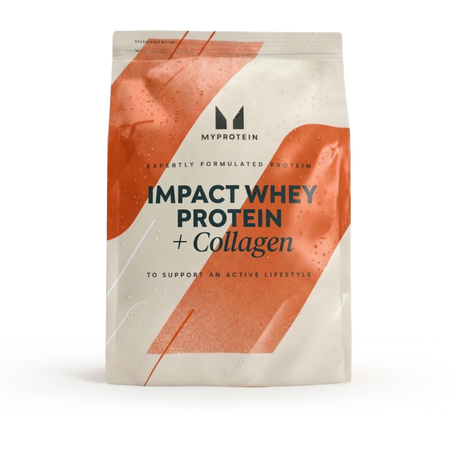
Impact Whey Protein + Collagen — Impact Whey Protein + Collagen is built for those who want more from their protein hit — 20g protein and 10g bovine collagen peptides (Type I) per serving, plus 52mg vitamin C, which contributes to normal collagen formation and the normal function of the immune system.
Impact Whey Protein Milkshake — If you want a protein shake that feels more like a treat than a supplement, Impact Whey Protein Milkshake delivers 20g protein and zero added sugar for under 112 calories per serving.
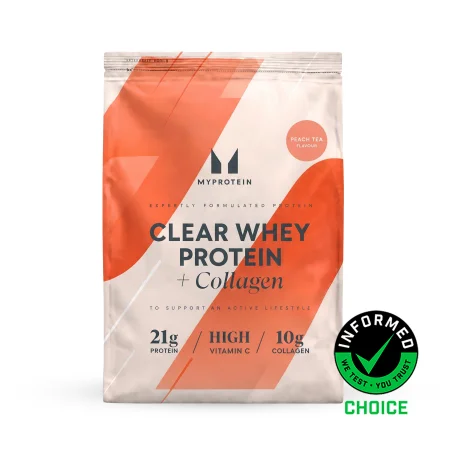
Clear Whey Protein + Collagen — Clear Whey Protein + Collagen brings a lighter, juice-style take to collagen support, combining 21g protein and 10g bovine collagen peptides (Type I) per serving with 52mg vitamin C, which contributes to normal collagen formation for cartilage function.
FAQs
What is whey protein powder?
Whey protein powder is a supplement made from whey — the liquid by-product of cheese production. Once separated and dried into powder form, it delivers a concentrated source of complete protein with a full essential amino acid profile. It's one of the most researched protein supplements available and is used widely by athletes, gym-goers, and anyone looking to increase their daily protein intake conveniently.
What's the difference between whey protein concentrate and whey isolate?
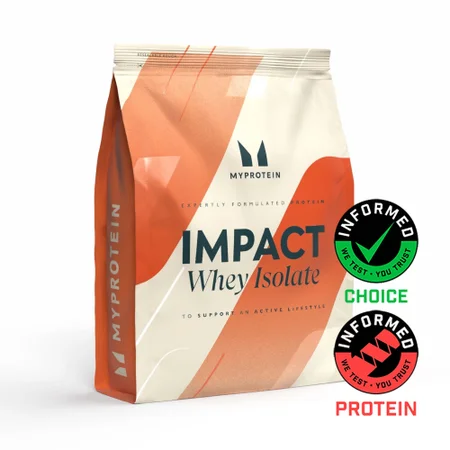
Whey protein concentrate typically contains around 70–80% protein by weight, along with small amounts of carbohydrates and fat. Whey isolate undergoes additional filtration, resulting in a higher protein content — usually 90% or more — with less fat and lactose. Impact Whey Isolate Powder is a good example of an isolate option for those wanting a leaner, purer formula. Concentrate tends to be slightly thicker in texture, while isolate mixes to a lighter consistency.
What is clear whey protein?
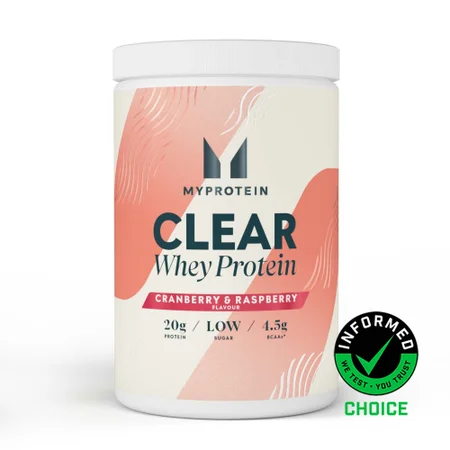
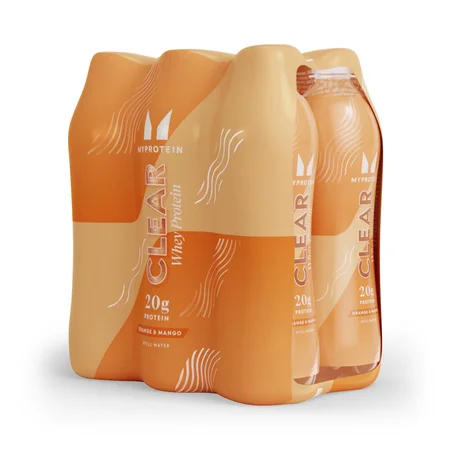
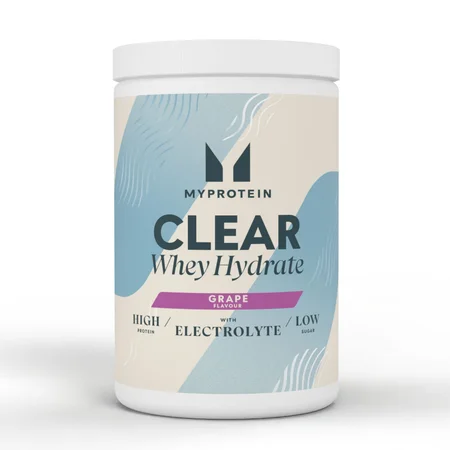
Clear whey protein is whey isolate processed differently to produce a light, juice-style drink rather than a traditional milky shake. It's refreshing rather than thick, making it a popular choice for people who prefer something lighter — particularly post-workout or during warmer months. Clear Whey Protein Powder and Clear Whey Hydrate are both examples from the range, with the latter combining protein with electrolytes.
How much protein do I need per serving?
Most whey protein powders in this range deliver around 20–25g of protein per serving. How much you need overall depends on your body weight, activity level, and goal — but for active individuals, a common target is 1.6–2.2g of protein per kilogram of body weight per day across all food sources. A single serving of whey powder is a practical way to close any gap between what whole foods deliver and your daily target.
Which whey protein should I choose?
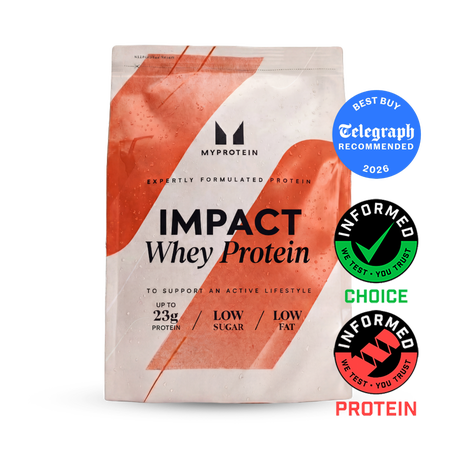
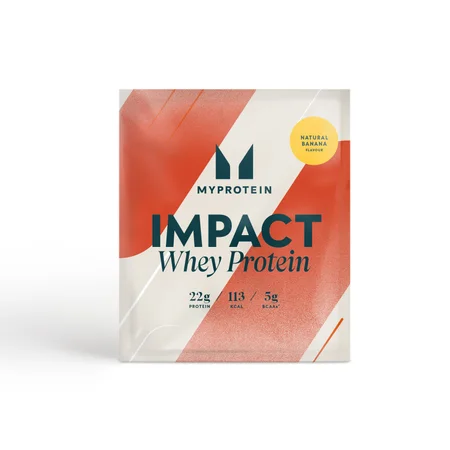
The right whey protein depends on your goal and preference. For a straightforward all-rounder with high protein per serving, Impact Whey Protein Powder is a solid starting point — it delivers protein that contributes to the growth and maintenance of muscle mass1. If you want added collagen alongside your whey, Impact Whey Protein + Collagen provides 20g protein and 10g bovine collagen peptides (Type I) per serving. For something lighter and refreshing, Clear Whey Protein + Collagen delivers 21g protein in a juice-style format1.
When should I take whey protein powder?
Whey protein powder can be taken at any point in the day when it helps you meet your daily protein target. Post-workout is the most popular timing, but morning use and between-meal shakes are equally valid approaches. Consistency in total daily protein intake matters more than hitting a precise window around training.
Is whey protein powder suitable for people in Ireland?
Whey protein powder is available for delivery across Ireland, with the same full range accessible as elsewhere in Europe. All products are manufactured to the same quality standards regardless of delivery location. If you're based in Ireland and looking for whey protein, the entire range — from classic concentrates to clear whey isolates and mass gainers — is available to order directly.
What is a whey protein mass gainer?
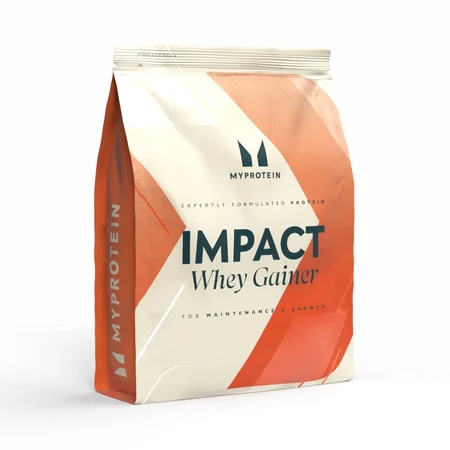
A whey protein mass gainer combines whey protein with a higher carbohydrate content to significantly increase the calorie count per serving. Impact Whey Mass Gainer is designed for those who struggle to consume enough calories through food alone and want to add size alongside their training. It's a practical option when the goal is building mass rather than maintaining a lean physique.
Who develops the whey protein formulas?
All whey protein powders are developed by Myprotein's expert nutritionists, who balance protein quality, amino acid profile, ingredient sourcing, and flavour across the range. Every formula is built to meet the needs of active individuals at different stages of their training journey — from beginners to seasoned athletes.
How many whey protein options are available?
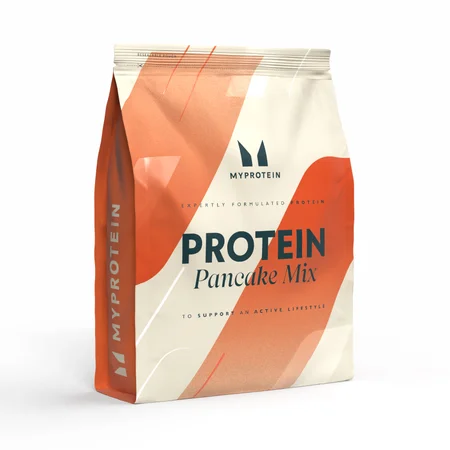
There are over 20 whey protein powders available, covering a wide range of formats and goals. The range includes whey concentrates, isolates, clear whey, hydrolysed whey, collagen-infused blends, a whey milkshake, mass gainers, a protein pancake mix, and more — many available in multiple flavours. Whether you're after something simple or a more specialist formula, there's a whey protein to match.
1. Protein contributes to the growth and maintenance of muscle mass.