Milk Protein
14 Results
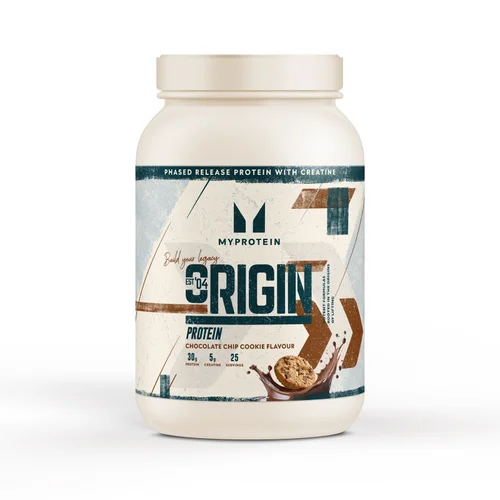
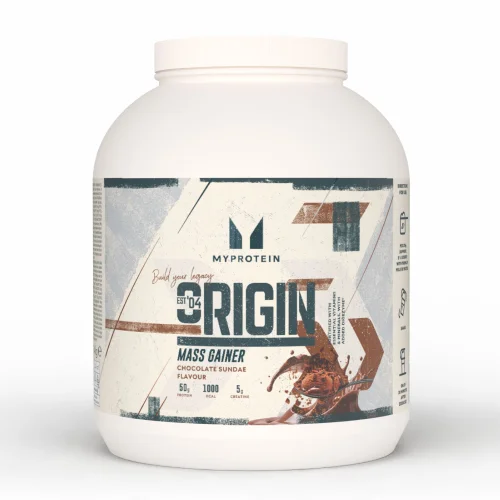
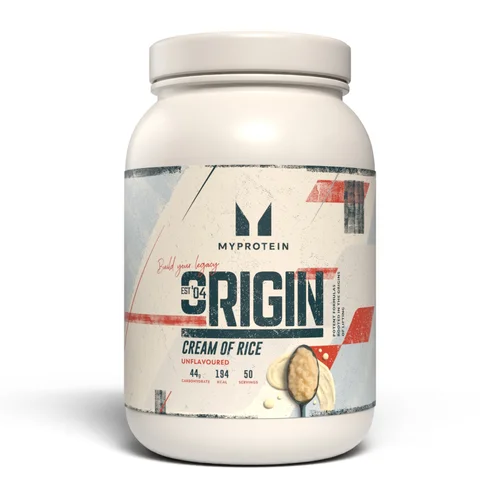
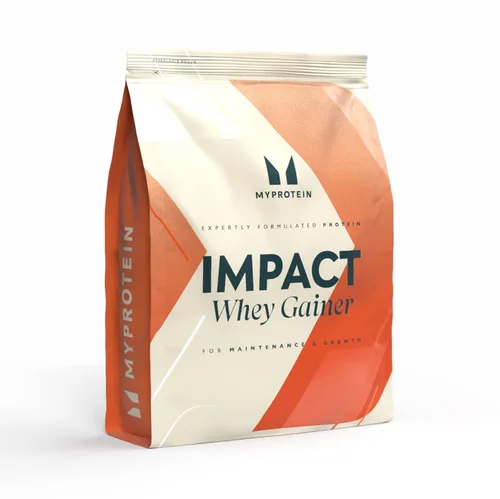
Shop Milk Protein at Myprotein
Milk protein is one of the most complete and versatile protein sources available, derived directly from cow's milk and delivering both fast and slow-releasing protein fractions in a single ingredient. Because milk contains two distinct proteins — whey and casein — milk protein powder gives you a naturally blended amino acid profile that covers a broad spectrum of nutritional needs. Whether you're looking for something to take after training or between meals, this range has the format to fit.
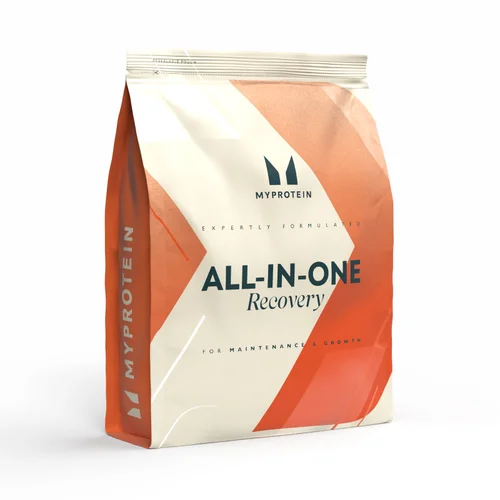
The range here spans everything from isolates and casein powders to mass gainers, meal replacements, and all-in-one formulas — all built on high-quality, dairy-derived protein. Each product is developed by Myprotein's expert nutritionists to deliver consistent quality, with protein contributing to the growth and maintenance of muscle mass1 and the maintenance of normal bones2.
Who Milk Protein Is For
Milk protein powder is a strong fit for anyone who trains regularly and wants a high-quality dairy-derived protein source as part of their daily routine. Gym-goers focused on building and preserving muscle mass will find the range particularly useful, given the naturally complementary roles that whey and casein play — one fast-absorbing, one slow-releasing. Athletes across strength, endurance, and team sports also lean on milk-based proteins for their complete amino acid profile.
It's also a practical choice for those who eat well but simply struggle to hit consistent protein targets through food alone. The variety in this range — powders, meal replacements, mass gainers — means there's a format to suit different schedules and dietary goals, whether you're eating in a calorie surplus or just topping up daily intake.
When to Use Milk Protein
Timing depends on the format you choose. Whey-based milk proteins are fast-absorbing, making them a popular choice in the window around training. Micellar casein, on the other hand, digests more gradually, which is why many people take it in the evening or between meals when a sustained release of amino acids over time is the priority.
Mass gainers and meal replacement blends work well at any point in the day where you need a higher-calorie, higher-protein option — breakfast, lunch, or as a supplement to a meal. The flexibility of the range means milk protein can sit naturally at multiple points throughout the day rather than being limited to a single use case.
Milk Protein Benefits
A Complete Amino Acid Profile from a Dairy Source
Milk naturally contains all nine essential amino acids, making milk protein a complete protein source. Both whey and casein fractions are present in full-fat dairy, and milk protein supplements preserve this profile. Essential amino acids are those the body cannot produce on its own, so getting them through diet and supplementation is key for anyone with active training demands.
Fast and Slow Fractions in One Source
One of the defining characteristics of milk protein is that it contains two proteins with very different absorption rates. Whey is digested quickly, while micellar casein forms a slow-digesting gel in the stomach. This dual-fraction quality is something that single-source protein powders don't offer — you're getting nutritional coverage across different timeframes from a single ingredient.
Muscle Mass and Bone Maintenance
Protein contributes to the growth and maintenance of muscle mass1 and the maintenance of normal bones2. Milk protein, as a high-quality complete protein, delivers on both counts — making it a well-rounded option whether your primary focus is training performance, body composition, or everyday nutritional balance.
Versatile Range of Formats
From lean isolates with ultra-high protein content to calorie-dense mass gainers and convenient meal replacement blends, the milk protein range covers more ground than a single product ever could. That means you can select the format that genuinely fits your goal and lifestyle, rather than adapting your routine around a fixed product.
Popular Picks
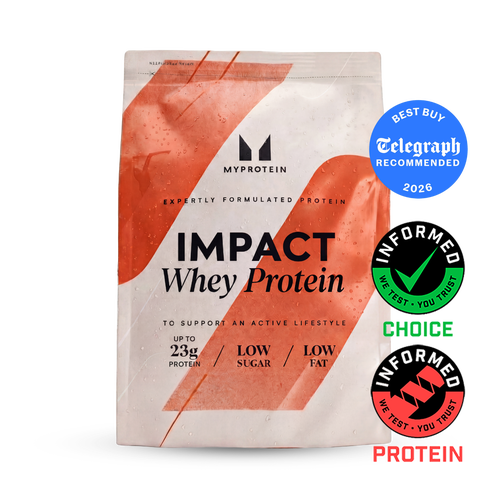
Impact Whey Protein Powder — If you want a high-quality protein hit without blowing your calorie budget, Impact Whey Protein Powder delivers up to 23g of protein per serving for just 114 calories, with under 2g of fat and 2g of carbs.
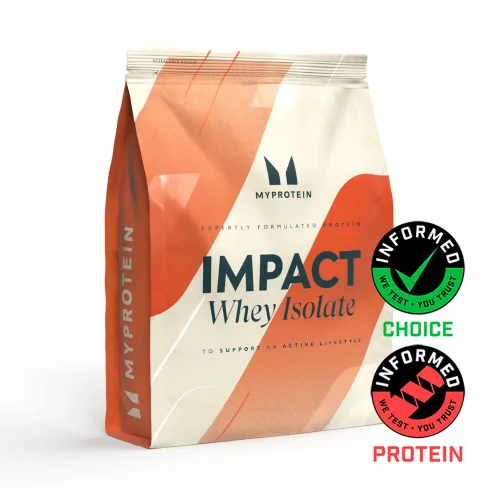
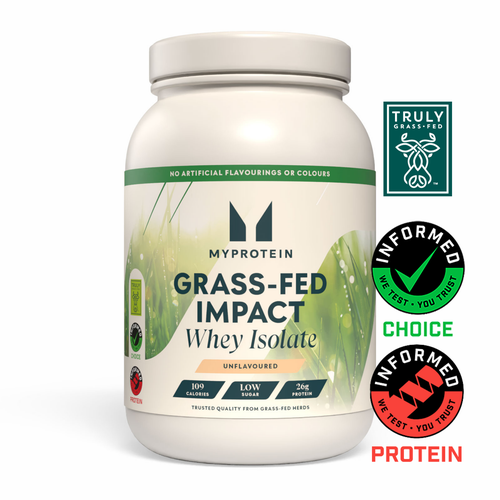
Impact Whey Isolate Powder — Impact Whey Isolate Powder is the go-to for those who want maximum protein with minimum fuss — up to 26g of fast-absorbing protein per serving at just 109 calories.
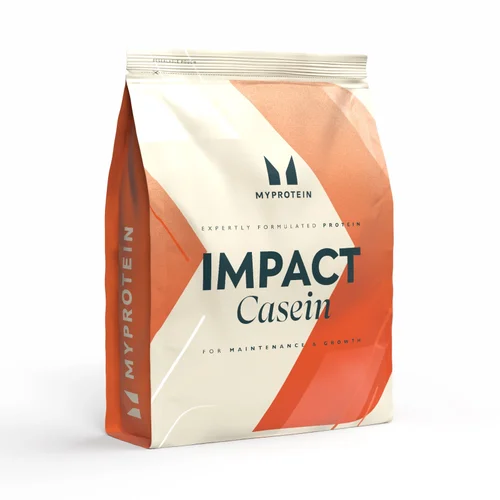
Impact Micellar Casein Powder — Impact Micellar Casein Powder is built for the overnight hours, delivering 23g of slow-release protein per serving with a complete amino acid profile to keep you covered while you sleep.
FAQs
What is milk protein powder?
Milk protein powder is a supplement derived from cow's milk that retains both of its naturally occurring protein fractions — whey and casein. Whey makes up roughly 20% of milk protein and is fast-absorbing, while casein accounts for around 80% and digests more slowly. Together they deliver a complete amino acid profile, making milk protein one of the most nutritionally comprehensive dairy-derived protein sources available.
What's the difference between milk protein, whey protein, and casein protein?
Whey and casein are both components of milk protein — they're not separate categories so much as individual fractions of the same dairy source. Whey protein isolates and concentrates are fast-absorbing and derived from the liquid portion of milk. Casein is the slower-digesting fraction. Milk protein supplements retain both fractions together, giving you the characteristics of each in a single product rather than isolating one or the other.
Which milk protein supplement should I choose?
The right choice depends on your goal and when you plan to use it. For a lean, high-protein option around training, Impact Whey Isolate delivers up to 26g of fast-absorbing protein per serving with an ultra-high protein content. If you're after something slower-releasing — better suited to evenings or longer gaps between meals — Impact Micellar Casein provides 23g of slow-release protein per serving with a complete amino acid profile. For higher calorie needs, mass gainers and all-in-one formulas are also available in the range.
How much protein is in a typical serving of milk protein powder?
Protein content varies by product and format. Whey isolates in this range deliver up to 26g per serving, while casein and whey concentrate options typically sit around 23g. Mass gainer and all-in-one formulas will have different protein-to-calorie ratios depending on their purpose. Check the individual product pages for exact nutritional information per serving.
When is the best time to take a milk protein supplement?
Timing depends on the format. Fast-absorbing whey-based milk proteins are commonly taken around training sessions. Micellar casein's slower digestion rate makes it a popular choice in the evening or during extended periods without food. Meal replacement blends and mass gainers work flexibly throughout the day — at breakfast, between meals, or whenever a high-protein, higher-calorie option is needed.
Is milk protein a complete protein?
Milk protein is a complete protein, meaning it contains all nine essential amino acids — those the body cannot synthesise on its own and must obtain through diet. Both whey and casein fractions naturally carry this full essential amino acid profile, which is one of the reasons dairy-derived proteins are widely used across a range of sports and fitness disciplines.
Can milk protein powder be used as a meal replacement?
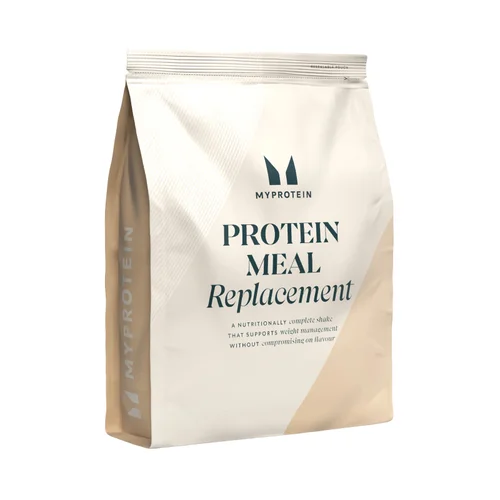
Some products in this range are specifically formulated as meal replacements — the Protein Meal Replacement Blend is designed for this purpose. Standard protein powders aren't intended to replace full meals on their own, but mass gainers and all-in-one formulas offer a more substantial nutritional profile that can complement a structured eating plan. Always check the individual product to understand how it fits your routine.
How many different milk protein products are available?
The range includes 17 products spanning multiple formats — whey concentrates, whey isolates, micellar casein, hydrolysed whey, mass gainers, meal replacement blends, all-in-one recovery formulas, and more. That breadth means the range covers everything from straightforward high-protein powders to more complex, multi-ingredient formulas built around a dairy protein base.
Who developed the milk protein products at Myprotein?
All milk protein products are developed by Myprotein's expert nutritionists, who formulate each product to meet consistent quality and nutritional standards. The range is built with active people in mind, balancing protein quality, ingredient transparency, and format variety to suit a wide range of training goals and dietary preferences.
Is milk protein powder suitable for everyday use?
Milk protein powder is designed to be used as part of a regular diet and training routine. Many people include it daily as a practical way to reach consistent protein targets — whether that's a single serving post-workout or multiple servings spread across the day depending on individual needs. As with any supplement, it works best alongside a balanced diet rather than as a standalone nutritional strategy.
1. Protein contributes to the growth and maintenance of muscle mass.
2. Protein contributes to the maintenance of normal bones.