Vitamins & Minerals
119Results




You viewed 28 out of 119
Shop Vitamins & Minerals at Myprotein
Vitamins and minerals are the micronutrients your body relies on every day — and getting enough of them from diet alone isn't always straightforward. Whether you're filling specific nutritional gaps or looking for broad-spectrum cover, the vitamins and minerals range here gives you targeted single-nutrient options and comprehensive multivitamin formulas side by side.
From vitamin D3 and omega-3 softgels to zinc and magnesium capsules, every product is developed by Myprotein's expert nutritionists to deliver clearly labelled, accurately dosed micronutrients. Tablets, capsules, softgels, and gummies — there's a format to fit how you actually want to take them.
Who Vitamins & Minerals Are For
Vitamins and mineral supplements are used by a wide range of people — from those with known dietary gaps to athletes looking to keep their nutritional bases covered. If your diet is limited in variety, or you follow a plant-based or restricted eating plan, certain micronutrients can be harder to obtain in adequate amounts from food alone.
Active individuals often reach for specific combinations like zinc and magnesium, or vitamin D3 paired with K2, as part of a structured supplement routine. And for anyone who simply wants the convenience of a daily all-in-one, multivitamin tablets and gummies make broad micronutrient coverage straightforward.
When to Use Vitamins & Minerals
Most vitamins and minerals are best taken with food, which can improve absorption and reduce any chance of stomach discomfort. Fat-soluble vitamins — A, D, E, and K — are particularly well absorbed alongside a meal that contains some fat, so taking vitamin D3 or omega-3 softgels with lunch or dinner makes practical sense.
Consistency matters more than perfect timing. Taking your supplements at the same point in the day — whether that's morning, with a meal, or in the evening — makes it easier to build the habit. Magnesium is often taken in the evening, while B vitamins and multivitamins are typically suited to mornings.
Vitamins & Minerals Benefits
Broad Micronutrient Cover
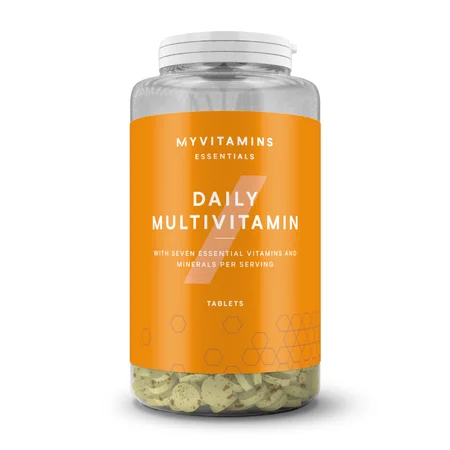
A well-formulated multivitamin brings together vitamins and minerals that cover multiple body functions in one daily dose. Vitamin C contributes to the normal function of the immune system1, vitamin D contributes to the maintenance of normal bones2, and B vitamins including B12 contribute to normal energy-yielding metabolism3 — all in a single tablet or gummy.
Targeted Single-Nutrient Formulas
When you know exactly what you need, single-ingredient products let you dose with precision. Vitamin D3 softgels, standalone magnesium tablets, and zinc capsules give you control over exactly what you're taking and at what level — useful when you're managing specific gaps rather than seeking general cover.
Immune Function Year-Round
Several micronutrients are closely linked to normal immune function. Vitamin D contributes to the normal function of the immune system4, as does zinc5 and vitamin C1. Having these covered through diet and supplementation is something many people prioritise throughout the year, not just in winter.
Bone, Muscle, and Nerve Support
Calcium, magnesium, vitamin D, and vitamin K are all involved in the processes that keep bones, teeth, and muscles functioning normally. Magnesium contributes to normal muscle function6 and the maintenance of normal bones7, while vitamin D contributes to the maintenance of normal muscle function8 — making mineral combinations a practical choice for active people.
Popular Picks
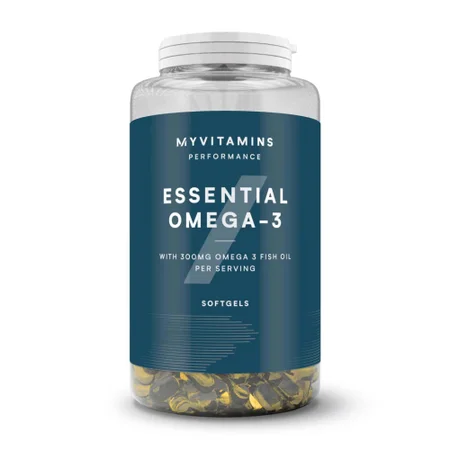
Essential Omega-3 — A cost-effective way to get EPA and DHA daily, with Essential Omega-3 delivering two key fatty acids your body can't produce on its own.
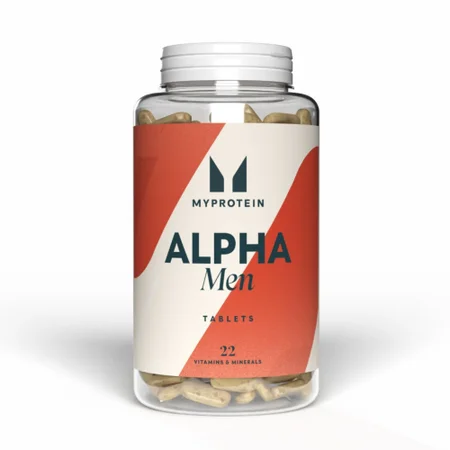
Multivitamins for Men — Built specifically for men, this multivitamin formula includes pantothenic acid, which contributes to the reduction of tiredness and fatigue, and selenium, which contributes to the normal function of the immune system.
Ashwagandha KSM66 Capsules — For anyone drawn to traditional ayurvedic practices, Ashwagandha KSM-66 Capsules deliver 500mg of full-spectrum KSM-66® root extract per capsule.
FAQs
What are vitamins and minerals supplements?
Vitamins and minerals supplements are concentrated sources of essential micronutrients — compounds the body needs in small but specific amounts to function normally. They come in a range of formats including tablets, capsules, softgels, and gummies, and are used to complement dietary intake of nutrients like vitamin D, zinc, magnesium, and B vitamins. The range here covers both individual nutrients and comprehensive multivitamin formulas.
What's the difference between a multivitamin and a single-nutrient supplement?
A multivitamin combines multiple vitamins and minerals into one daily product — practical for broad nutritional cover without taking several separate supplements. Single-nutrient products, like a standalone vitamin D3 softgel or magnesium tablet, let you target a specific micronutrient at a precise dose.
Which approach makes sense depends on what you're trying to address. Many people take a multivitamin as a foundation and add targeted extras on top — for example, pairing a men's multivitamin with a separate omega-3 or zinc and magnesium capsule.
What vitamins and minerals supplements are available?
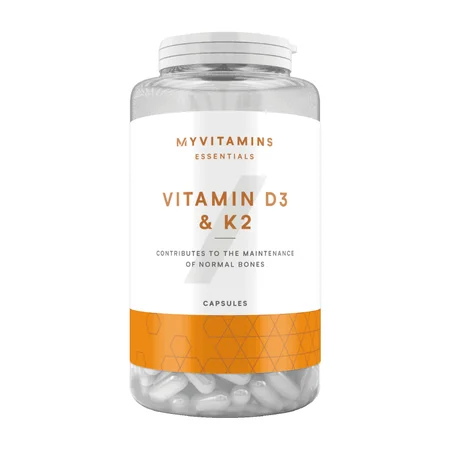
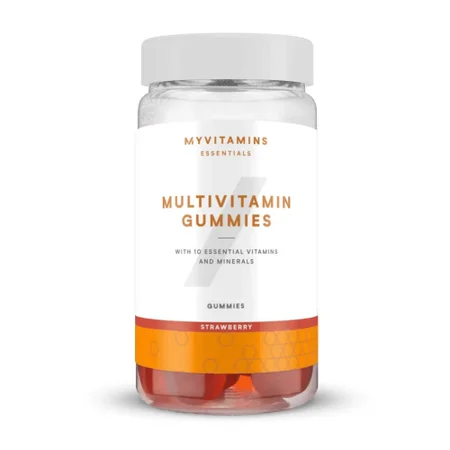
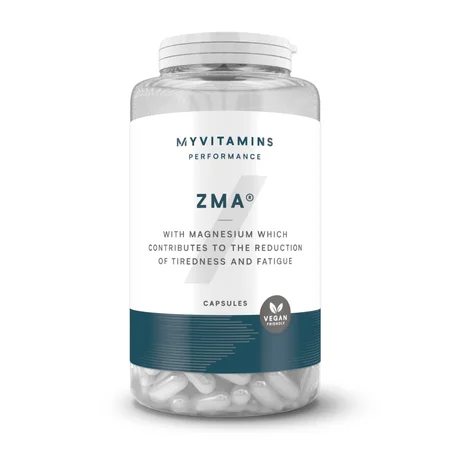
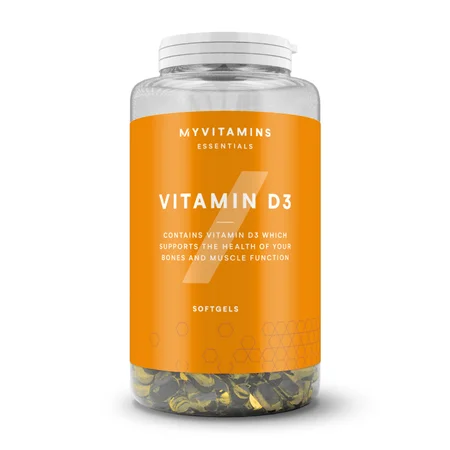
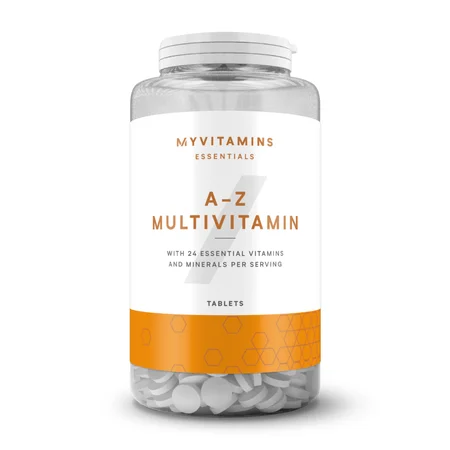
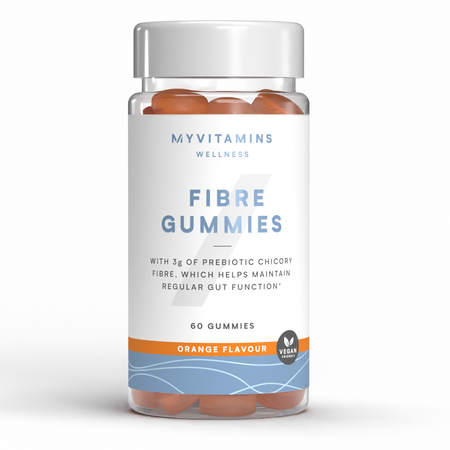
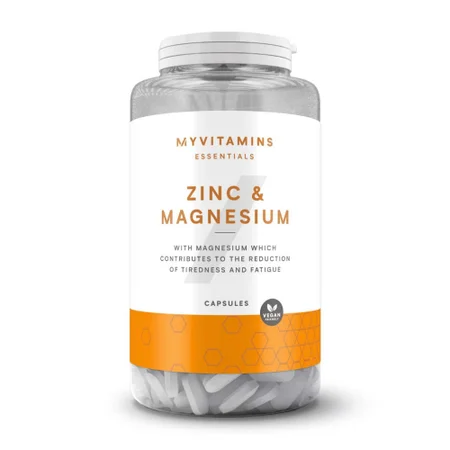
The range includes over 20 products spanning tablets, capsules, softgels, and gummies. You'll find single-nutrient options like Vitamin D3 Softgels, Essential Omega-3, Essential Magnesium Tablets, and Vitamin D3 & K2 Capsules, alongside broader formulas including A-Z Multivitamin, Multivitamins for Men, and Multivitamin Gummies for Adults. There are also speciality products like Ashwagandha KSM-66 Capsules, Zinc & Magnesium Capsules, ZMA Capsules, and gummy formats for hair, skin and nails, electrolytes, and high fibre — so there's genuine variety across formats and nutritional goals.
Which vitamins and minerals supplement should I choose?
If you're looking for all-round micronutrient cover, a multivitamin is the logical starting point — Multivitamins for Men is a specially developed formula that includes vitamin B5, which contributes to the reduction of tiredness and fatigue9. For omega-3 fatty acids, Essential Omega-3 provides EPA and DHA, which contribute to the normal function of the heart10. If you're after something more targeted, the single-nutrient options give you clear, precise dosing.
Are vitamins and minerals gummies as effective as tablets or capsules?
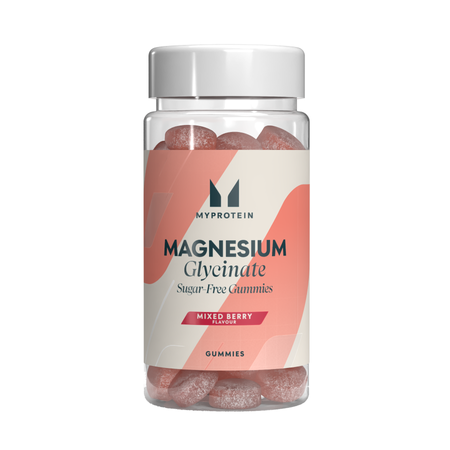
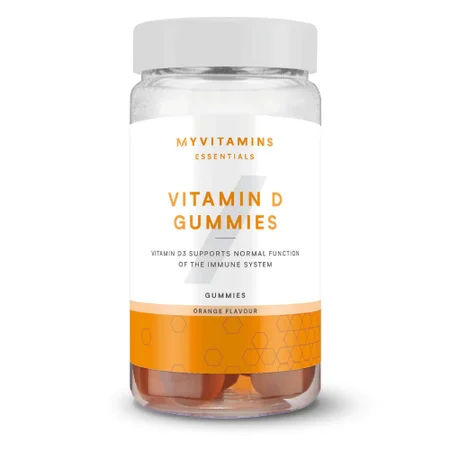
Gummies are a legitimate supplement format — they contain the same active micronutrients as tablets or capsules and are simply delivered in a chewable form. The key difference is that gummies are sometimes lower in certain nutrients due to formulation constraints, and they may contain added sugars (though sugar-free versions are available in this range). For those who find swallowing tablets difficult, gummies are a practical alternative without sacrificing the core nutrients.
When is the best time to take vitamins and minerals?
Consistency is more important than perfect timing, but format and ingredient type do influence when supplements work best. Fat-soluble vitamins like D, K, A, and E absorb better with a meal containing some fat. B vitamins and multivitamins are commonly taken in the morning with breakfast. Magnesium is often taken in the evening. The most practical approach is to pick a time you'll stick to and take supplements alongside food where possible.
Can I take multiple vitamins and minerals supplements together?
Many people take several vitamins and minerals products simultaneously — for example, a multivitamin alongside a separate omega-3, vitamin D3, or magnesium supplement. The main consideration is avoiding excessive intake of any single nutrient by inadvertently doubling up. Check the label of each product to review nutrient levels and ensure your total daily intake stays within sensible amounts. If you're on medication or have a health condition, speaking to a GP or pharmacist first is a sensible step.
Who developed the vitamins and minerals supplements at Myprotein?
All vitamins and minerals supplements in this range are developed by Myprotein's expert nutritionists. Each formula is put together with clearly labelled ingredients and accurate dosages, so you always know what you're taking and at what level.
What's in ZMA and who is it for?
ZMA Capsules contain zinc, magnesium, and vitamin B6 — three micronutrients often taken together. Zinc contributes to the normal function of the immune system5 and the maintenance of normal testosterone levels in the blood11. Magnesium contributes to normal muscle function6 and a reduction of tiredness and fatigue12. Vitamin B6 contributes to normal energy-yielding metabolism13. ZMA is commonly included in the supplement routines of those engaged in regular training.
Are there vitamins and minerals supplements suitable for a vegan diet?
Several products in the range are suitable for vegans, including various tablet and capsule formats. Vitamin D3, however, is often derived from lanolin (sheep's wool), so it's worth checking individual product labels if you follow a strict plant-based diet. The product pages include full ingredient and suitability information so you can make an informed choice without guesswork.
1. Vitamin C contributes to the normal function of the immune system.
2. Vitamin D contributes to the maintenance of normal bones.
3. Vitamin B12 contributes to normal energy-yielding metabolism.
4. Vitamin D contributes to the normal function of the immune system.
5. Zinc contributes to the normal function of the immune system.
6. Magnesium contributes to normal muscle function.
7. Magnesium contributes to the maintenance of normal bones.
8. Vitamin D contributes to the maintenance of normal muscle function.
9. Pantothenic acid contributes to the reduction of tiredness and fatigue.
10. EPA and DHA contribute to the normal function of the heart.
11. Zinc contributes to the maintenance of normal testosterone levels in the blood.
12. Magnesium contributes to a reduction of tiredness and fatigue.
13. Vitamin B6 contributes to normal energy-yielding metabolism.