Recovery Supplements
Shop Recovery Supplements at Myprotein
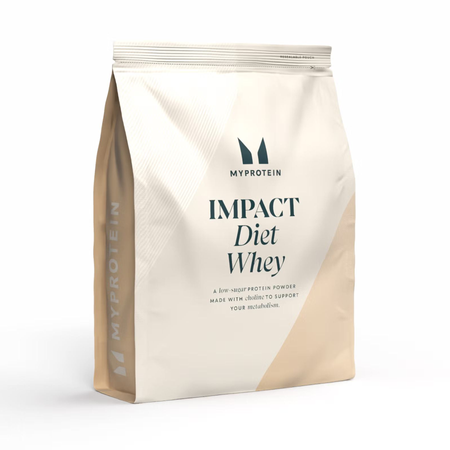
Muscle recovery supplements are designed for athletes and gym-goers who take training seriously enough to think about what comes after it. From protein to amino acids, carbohydrates to all-in-one formulas, the range spans 14 products built around what your body needs in the hours following intense exercise. Whether you train daily or push hard a few times a week, what you put into your body post-workout matters.
Protein contributes to the growth and maintenance of muscle mass1, making it a cornerstone of any post-workout stack. Alongside that, carbohydrates contribute to the recovery of normal muscle function after highly intensive and/or long-lasting physical exercise leading to muscle fatigue and the depletion of glycogen stores in skeletal muscle2. That's the science behind why recovery supplements typically combine multiple ingredient types rather than relying on one alone.
Who Recovery Supplements Are For
Anyone who trains with intensity — whether that's lifting, running, cycling, or team sport — will find something relevant in this range. These are products built for people who train hard enough that what happens between sessions matters as much as the sessions themselves. If your workouts are frequent, demanding, or both, a structured post-workout routine makes sense.
That said, recovery supplements aren't exclusively for elite athletes. Beginners who are new to resistance training often experience more muscle breakdown as the body adapts to new demands — making adequate protein intake just as relevant. Anyone moving from a casual exercise habit to a more consistent training schedule is exactly the kind of person this range is designed for.
When to Use Recovery Supplements
The post-workout window is the most popular time to use recovery supplements, typically within an hour or two after finishing a session. This is when many athletes choose to prioritise protein intake, with protein contributing to the maintenance of muscle mass1. Formats like powders and shakes make it easy to consume something quickly when preparing food isn't practical straight after training.
Timing isn't always about the immediate post-workout moment. Some products in this range — like total protein blends and mass gainers — are designed to fill nutritional gaps across the day, particularly for those with higher calorie or protein targets. A Breakfast Smoothie, for example, fits into a morning routine well ahead of any gym session. The key is consistency across the day rather than obsessing over a single narrow window.
Recovery Supplements Benefits
Protein for Muscle Maintenance and Growth
Protein is the most fundamental ingredient in post-workout nutrition. Products like whey, hydrolysed whey, and all-in-one blends deliver the protein your muscles need, and protein contributes to a growth in muscle mass as well as the maintenance of muscle mass1. Different protein types vary in speed of digestion, allowing you to choose based on your specific routine.
Carbohydrates for Glycogen Replenishment
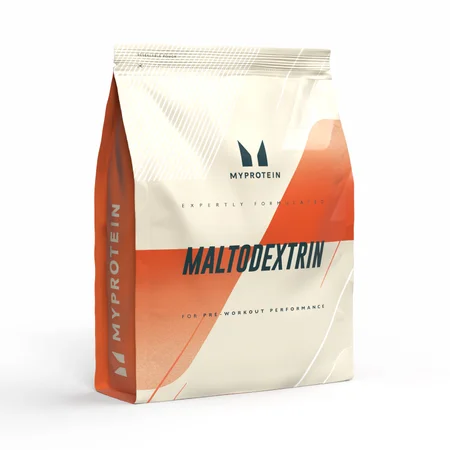
Intense training depletes glycogen — the stored carbohydrate your muscles rely on for fuel. Carbohydrates contribute to the recovery of normal muscle function after highly intensive and/or long-lasting physical exercise leading to muscle fatigue and the depletion of glycogen stores in skeletal muscle2. Products like 100% Maltodextrin Carbs and Impact Whey Mass Gainer are built with this in mind, offering a practical carbohydrate source post-session.
Amino Acids as Foundational Building Blocks
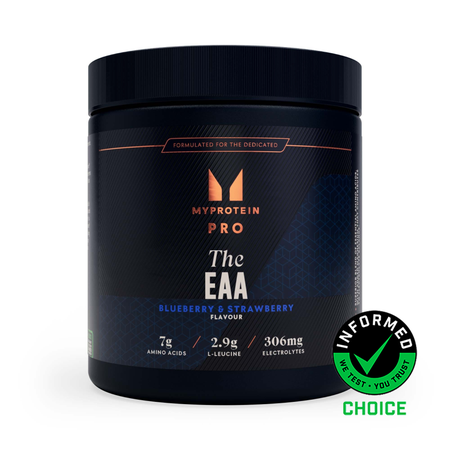
Amino acids are the building blocks of protein. Essential amino acids (EAAs) are those the body cannot produce on its own and must be obtained through diet or supplementation. Products like Impact EAA and THE EAA provide all 9 essential amino acids, making them a popular choice for those who want a lighter alternative to a full protein shake or who train in a fasted state.
Comprehensive Formulas for Convenience
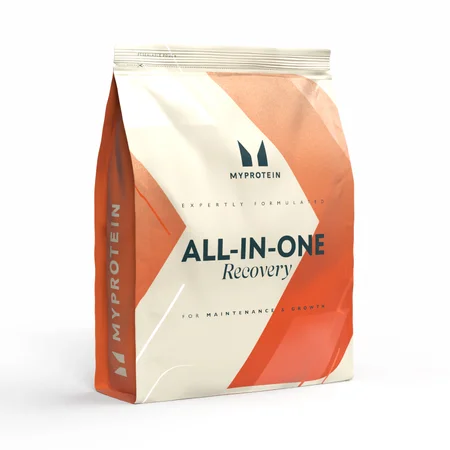
All-in-one recovery products combine protein, carbohydrates, and additional ingredients into a single serving. Rather than piecing together multiple products, one scoop covers the main bases. All-in-One Recovery is a good example — it's a practical option for people who want a straightforward post-workout routine without building a complex supplement stack.
Popular Picks
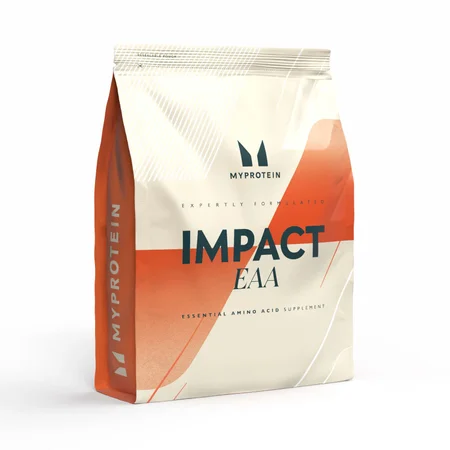
Impact EAA — Built for those who want a complete amino acid profile in one go, Impact EAA delivers all 9 essential amino acids including a 4:1:1 BCAA ratio, and it's Informed Choice certified.
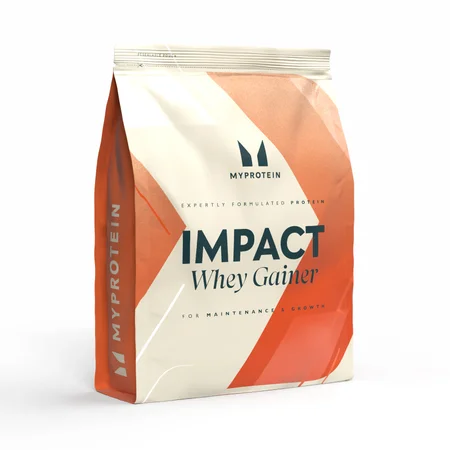
Impact Whey Mass Gainer — With 388 calories, 30g of protein, and 50g of carbs per serving, Impact Whey Mass Gainer is the straightforward choice for anyone serious about adding size.
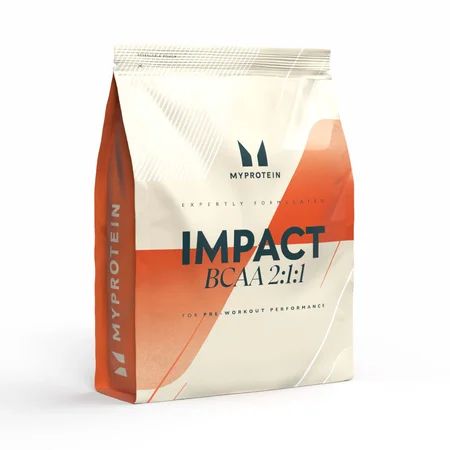
Impact BCAA 2:1:1 — Impact BCAA 2:1:1 delivers leucine, isoleucine, and valine in a classic 2:1:1 ratio, making it a versatile option whatever your sport or training goal.
FAQs
What are muscle recovery supplements?
Muscle recovery supplements are products taken after training to support your post-workout nutrition, typically containing protein, amino acids, carbohydrates, or a combination of all three. Protein contributes to the growth and maintenance of muscle mass1, while carbohydrates contribute to the recovery of normal muscle function after highly intensive exercise leading to the depletion of glycogen stores in skeletal muscle2. They come in formats including powders, shakes, and blends, making them easy to fit around a training schedule.
What are the best recovery supplements after a workout?
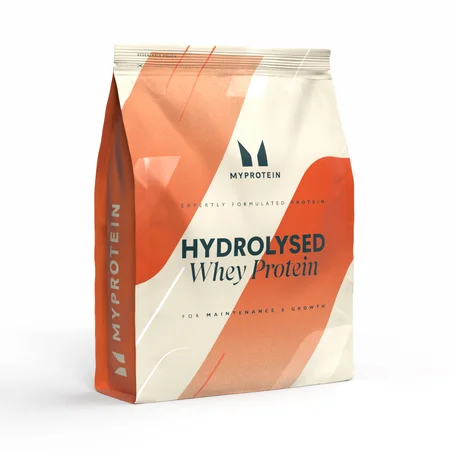
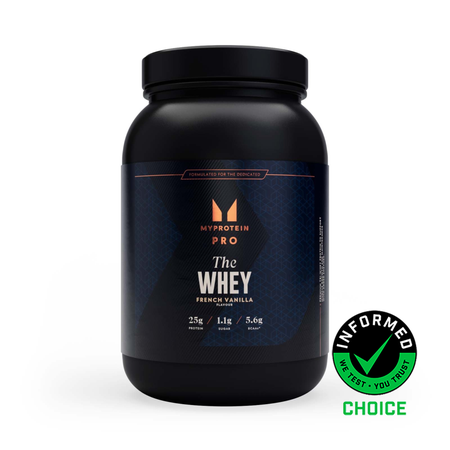
The best post-workout recovery supplement depends on your training goals and what your diet already provides. For straight protein, options like THE Whey or Hydrolysed Whey Protein Powder are well-suited to those focused on muscle maintenance1. If you need protein and carbohydrates together, Impact Whey Mass Gainer delivers 30g of protein and 50g of carbs per serving, making it a strong choice for those with higher calorie targets or who've completed a demanding session.
What's the difference between EAAs and BCAAs?
BCAAs (branched-chain amino acids) are a group of three essential amino acids — leucine, isoleucine, and valine — found in products like Impact BCAA 2:1:1 in a 2:1:1 ratio. EAAs (essential amino acids) cover all nine amino acids the body cannot produce on its own, including the three BCAAs. Products like Impact EAA provide the full spectrum of essential amino acids in a single serving, which is why many athletes choose EAAs as the broader option.
How much protein do I need after training?
Protein requirements vary depending on body weight, training intensity, and overall dietary intake. A commonly used starting point among athletes is 1.6–2.2g of protein per kilogram of bodyweight per day, spread across meals. Post-workout servings from products in this range typically deliver 20–30g of protein per serving, which fits comfortably within that daily target for most people.
Can I use recovery supplements on rest days?
Recovery supplements are just as relevant on rest days as on training days. Protein contributes to the maintenance of muscle mass1 regardless of whether you've trained that day, so hitting your daily protein targets consistently — including on days off — is part of a structured nutrition approach. Many people use a total protein blend or breakfast smoothie format on rest days to keep intake steady without the full post-workout stack.
Are these recovery supplements tested for banned substances?
Impact EAA is Informed Choice certified, meaning it's been tested by a globally recognised programme that screens for substances prohibited in sport. Informed Choice certification is relevant for competitive athletes who need assurance that what's on the label is what's in the product. If third-party testing is a priority for you, look for the Informed Choice logo on product pages within this range.
Who developed these recovery supplements?
Myprotein's expert nutritionists developed the recovery supplements range, formulating each product around specific training needs — from fast-absorbing hydrolysed whey to all-in-one post-workout blends. The range is designed to be practical and effective, with formats and flavour options suited to different preferences, routines, and training goals.
What's the difference between a mass gainer and a whey protein?
A standard whey protein product is primarily a protein source, typically delivering 20–25g of protein per serving with minimal carbohydrates. A mass gainer like Impact Whey Mass Gainer is formulated with a higher carbohydrate content — 50g of carbs alongside 30g of protein per serving — making it better suited to those with higher calorie requirements, such as people who struggle to hit daily calorie targets through food alone.
What formats do recovery supplements come in?
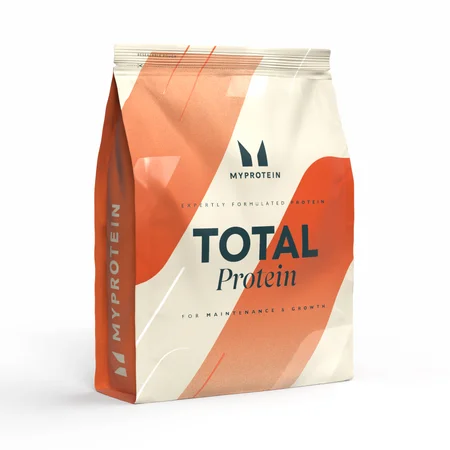
The recovery supplements range is predominantly powder-based, designed to be mixed with water or milk into a shake. There are 14 products available, spanning categories including whey protein, hydrolysed whey, mass gainers, EAA formulas, BCAA powders, total protein blends, and all-in-one recovery products. The powder format makes it straightforward to adjust serving sizes and mix with other ingredients to suit individual targets.
How do I choose between an all-in-one recovery product and individual supplements?
All-in-One Recovery combines protein, carbohydrates, and additional ingredients into a single serving, which suits people who want simplicity and speed post-workout. Individual supplements — like a standalone protein powder paired with a separate carbohydrate source — give you more control over exact quantities of each ingredient. If you're newer to supplementation or want a no-fuss routine, an all-in-one formula is a practical starting point; if you're tracking macros precisely, building your own stack gives you more flexibility.
1. Protein contributes to a growth in muscle mass. Protein contributes to the maintenance of muscle mass.
2. Carbohydrates contribute to the recovery of normal muscle function (contraction) after highly intensive and/or long-lasting physical exercise leading to muscle fatigue and the depletion of glycogen stores in skeletal muscle.