Amino Acids
Amino acids include super-popular BCAAs, which naturally occur in protein, and form the building blocks of new muscle — that’s important whatever your fitness goals. They can be hard to get from your diet alone, as well as expensive. That's where our range of amino acid supplements come in to help, featuring our powders, tablets, BCAAs and glutamine.
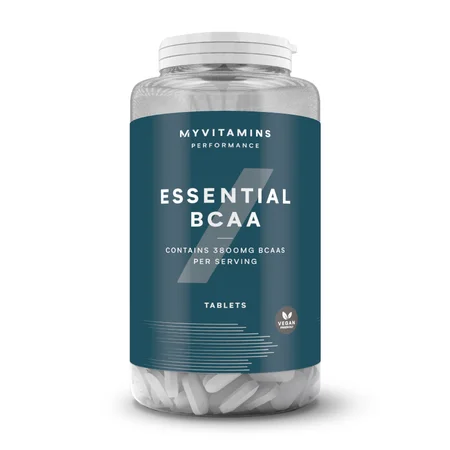
Our Essential BCAA 2:1:1 is your daily amino acid supplement, containing an optimal 2:1:1 ratio of leucine, isoleucine, and valine — perfect for adding to your favourite shakes.
25 Results


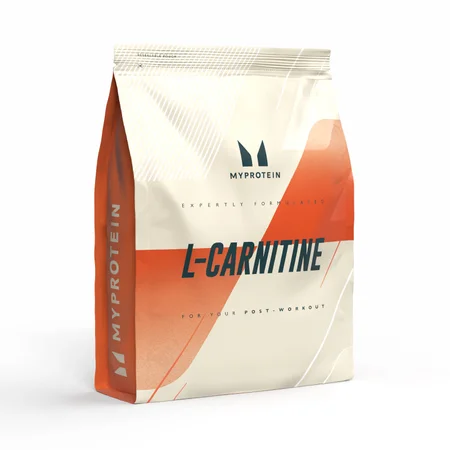
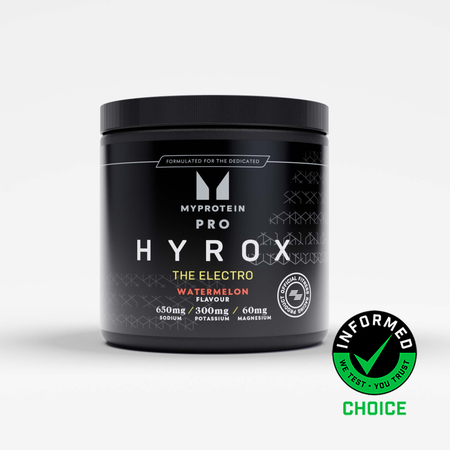
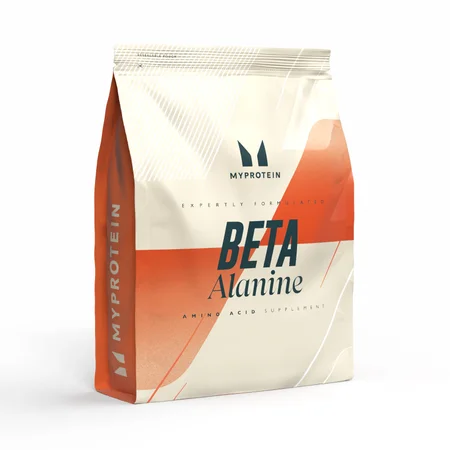
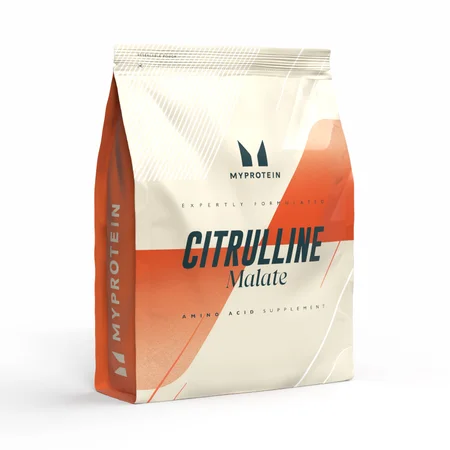
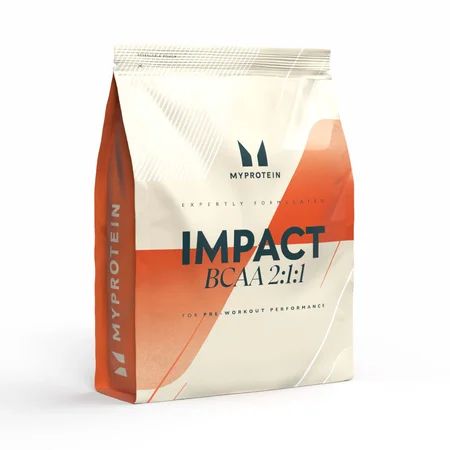
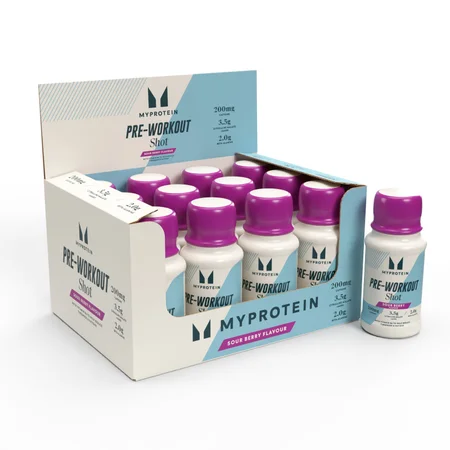
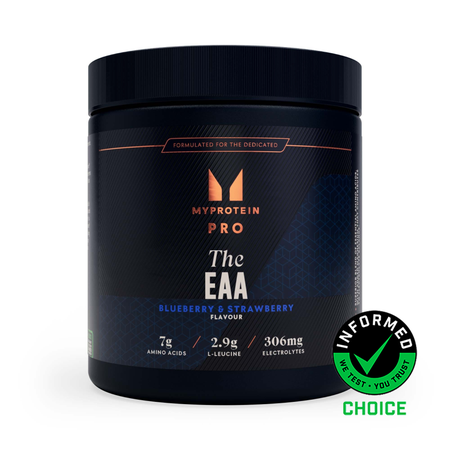
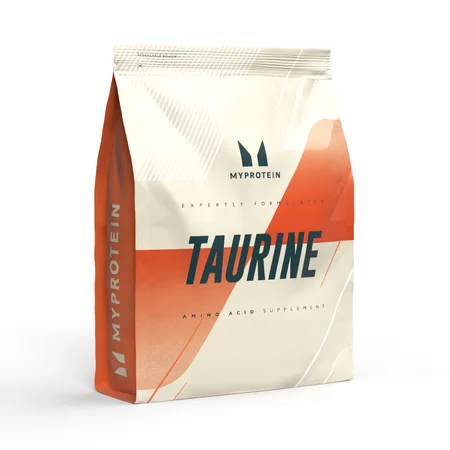
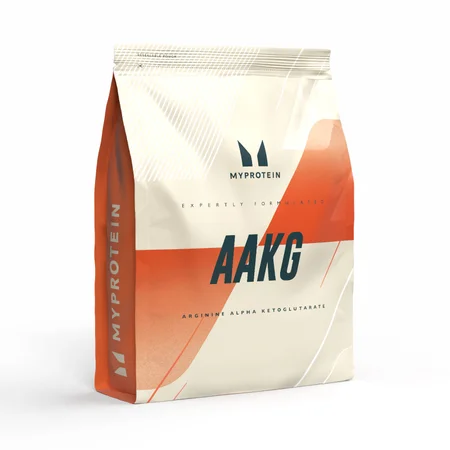
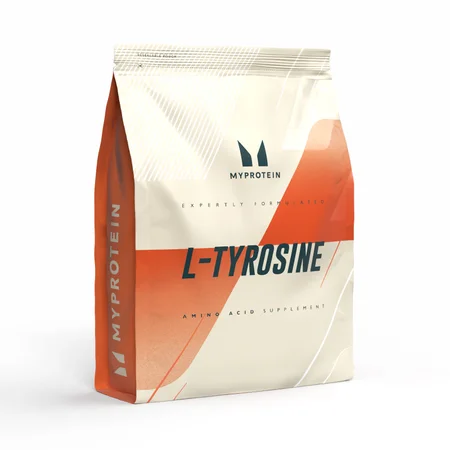
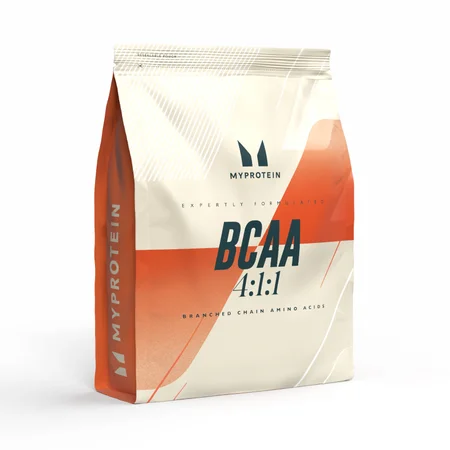
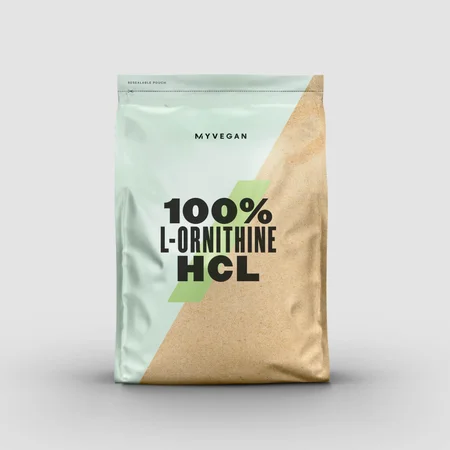

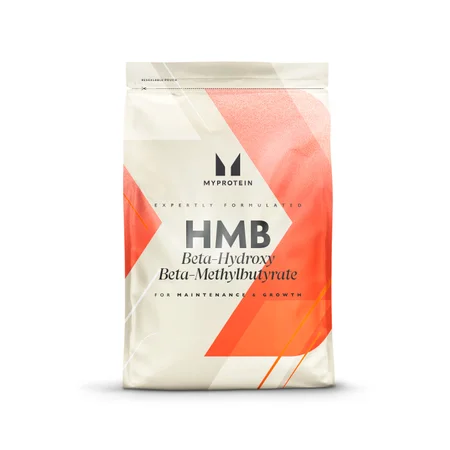
Shop Amino Acids at Myprotein
Amino acids are the building blocks of protein — and protein contributes to the growth and maintenance of muscle mass.1 Whether you're training hard, eating around a busy schedule, or simply filling gaps in your diet, amino acid supplements give you a targeted, efficient way to get the specific compounds your body needs. From individual amino acids like L-carnitine, glycine, and L-glutamine through to complete EAA blends and BCAA formulas, there's a broad range here to suit different training styles and goals.
The amino acids range spans tablets, capsules, powders, and ready-to-go formats — so fitting them into your routine is straightforward, whatever that looks like. Some people prefer the precision of capsules, others want the flexibility of a powder they can mix into a shake. Either way, you'll find something here that works.
Who Amino Acids Are For
Amino acid supplements are most commonly used by people who train regularly — whether that's weightlifting, endurance sport, or high-intensity work like HYROX. If you're putting your body under repeated physical stress, keeping your amino acid intake consistent matters. That said, you don't have to be an elite athlete for these products to make sense in your routine.
Busy people who struggle to hit their protein targets through food alone often turn to amino acid supplements as a convenient top-up. Vegetarians and vegans, who may have fewer complete protein sources in their diet, also find targeted amino acid supplementation a useful way to round things out. Essentially, if protein is a priority for you, amino acids are worth understanding.
When to Use Amino Acids
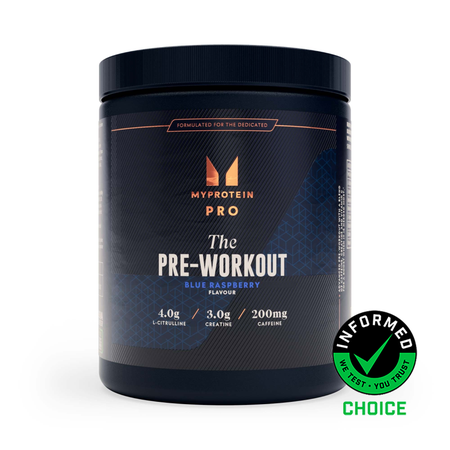
Timing comes down to the specific amino acid you're taking. BCAAs and EAAs are popular choices around training — many athletes take them before or during a session. Pre-workout formulas in the range, including THE Pre-Workout and Pre Workout Shot, are designed specifically for that window before you train. Electrolyte blends like THE Electro - HYROX are built for use during sustained physical effort.
Other amino acids, like glycine and L-glutamine, tend to be taken at other points in the day depending on individual preference and routine. Powders are easy to mix into water or a shake at any time, while tablets and capsules are just as simple to take with a meal or on the go. The format you choose often determines how easy it is to be consistent — and consistency is what matters most.
Amino Acids Benefits
The Building Blocks of Protein
Amino acids are what protein is made of. There are 20 in total, nine of which are essential — meaning the body can't produce them and they need to come from diet or supplementation. Essential amino acid (EAA) formulas, like Impact EAA, provide all nine in one serving, making it a straightforward way to cover your bases.
Targeted, Specific Supplementation
Unlike a general protein powder, amino acid supplements let you zero in on specific compounds. L-carnitine, beta alanine, citrulline malate, AAKG — each one has a distinct profile and a distinct reason people choose it. That specificity means you can build a supplement stack that actually reflects what you're trying to do in training, rather than taking a broad-brush approach.
Flexible Formats for Every Routine
The range covers everything from amino acid powder you can mix into a shake, to amino acid capsules and tablets you can take without any prep. There are also ready-to-go gel and shot formats in the pre-workout part of the range for people who want something quick and portable. Whatever your lifestyle looks like, there's a format that fits.
Designed to Work Alongside Your Training
These products are formulated by Myprotein's expert nutritionists to complement an active lifestyle. Whether you're stacking amino acids with protein, using them standalone, or building them into a pre- or intra-workout routine, they're made to sit logically within a broader nutrition plan — not replace it.
Popular Picks
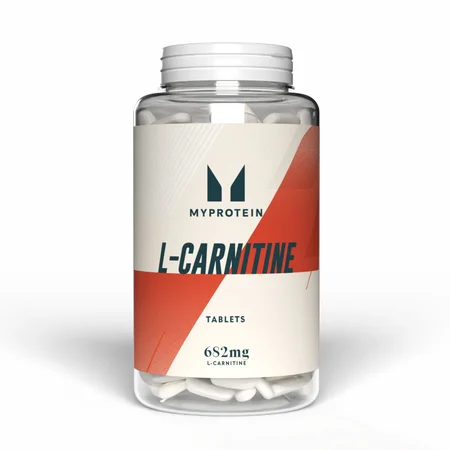
L-Carnitine Tablets — A straightforward vegan-friendly tablet delivering 682mg of carnitine per serving, with no mixing or measuring required.
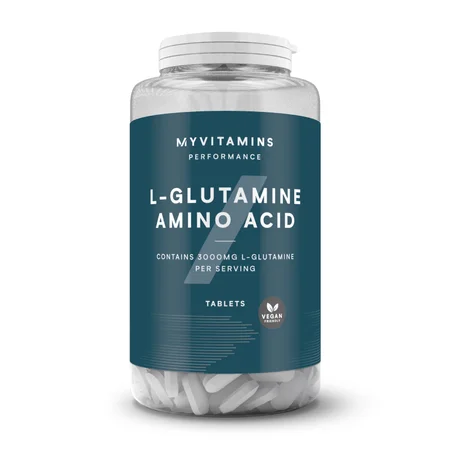
L-Glutamine Tablets — Built for any training style, these tablets are a simple way to get the protein your muscles need to grow and repair.
Glycine Capsules — Three capsules deliver a clean 3g of glycine — no scooping, no prep, and easy to stack alongside a high-protein or collagen-focused routine.
FAQs
What are amino acids?
Amino acids are the molecular building blocks that make up protein. There are 20 amino acids in total — nine of which are classed as essential because the body can't synthesise them independently. These nine must come from food or supplementation. Protein contributes to the growth and maintenance of muscle mass,1 and since amino acids form the structure of protein, they're fundamental to how the body works.
What's the difference between amino acid supplements and protein powder?
Protein powder is a complete macronutrient source that contains amino acids as part of its structure. Amino acid supplements — whether that's EAAs, BCAAs, or individual amino acids like L-glutamine — deliver specific compounds in isolation or targeted combinations, without the calories or broader nutritional profile of a protein shake. Many people use both: protein powder as a dietary staple and amino acid supplements for specific training purposes.
What amino acid supplements are available?
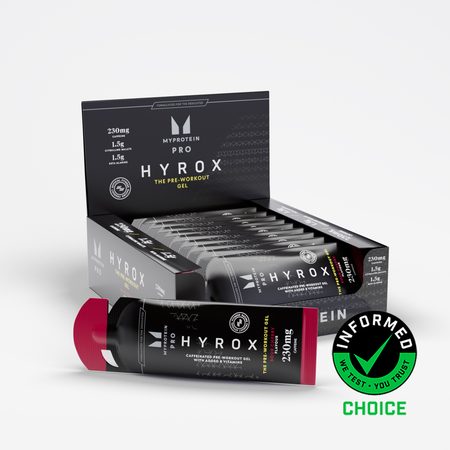
The range includes individual amino acid supplements — L-Carnitine Tablets, L-Glutamine Tablets, Glycine Capsules, L-Lysine Tablets, HMB Tablets, and more — as well as blends like Essential BCAA Tablets, Impact EAA, and Impact BCAA 2:1:1. You'll also find amino acid powders like L Glutamine Powder, L Carnitine Amino Acid Powder, and Citrulline Malate, plus performance-focused options including Beta Alanine, AAKG Powder, and pre-workout formats like THE Pre-Workout, Pre Workout Shot, and THE Pre Workout Gel.
What are amino acids available in?
Amino acid supplements here come in several formats: amino acid powder for mixing into water or shakes, amino acid tablets and amino acid capsules for straightforward dosing with no prep, and ready-to-use gel and shot formats for training sessions. If you want zero hassle, Glycine Capsules deliver 3g of glycine per three-capsule serving with nothing to measure or mix.
What are BCAAs and EAAs?
BCAAs — branched-chain amino acids — are three of the nine essential amino acids: leucine, isoleucine, and valine. EAAs — essential amino acids — cover all nine that the body can't make on its own. BCAAs are a subset of EAAs. If you're looking for broader coverage, an EAA formula like Impact EAA provides all nine essential amino acids in one serving. If you specifically want the three branched-chain aminos, something like Impact BCAA 2:1:1 or Essential BCAA Tablets is the more targeted choice.
When's the best time to take amino acid supplements?
It depends on the specific amino acid. BCAA and EAA supplements are commonly taken before or during training. Pre-workout formulas like THE Pre-Workout are designed specifically for the period leading up to a session. Electrolyte and amino acid blends like THE Electro - HYROX suit use during prolonged physical activity. Individual amino acids like glycine or L-glutamine tend to be taken at other points in the day based on personal preference and routine.
Can you take amino acids if you don't eat meat?
Most amino acid supplements in this range are suitable for vegetarians and many are vegan-friendly too — always check the individual product page for full ingredient and suitability information. For people following plant-based diets, where complete protein sources can be harder to come by, targeted amino acid supplementation is a practical way to ensure intake of specific essential amino acids.
Who formulates the amino acid supplements?
All amino acid supplements in the range are developed by Myprotein's expert nutritionists. Each product is formulated with specific training use cases in mind, from individual amino acids to performance-focused pre-workout blends, with quality and consistency built into every format.
What's a good amino acid supplement for someone just starting out?
For straightforward essential amino acid coverage, Impact EAA is a solid starting point — it provides all nine essential amino acids in powder form, which is easy to mix and dose. If you're after something that specifically targets the branched-chain aminos that make up a large part of muscle protein, Impact BCAA 2:1:1 or Essential BCAA Tablets are both well-suited to people getting started with amino acid supplementation.
Are amino acid supplements only for people who lift weights?
Amino acid supplements are used by people across a wide range of training disciplines — endurance runners, cyclists, HYROX athletes, and team sport players all incorporate them into their nutrition routines. The specific products that make sense depend on the type and intensity of training involved. Pre-workout formats, electrolyte blends, and individual amino acids each suit different demands, which is why the range covers such a variety of formats and formulations.
1. Protein contributes to the growth and maintenance of muscle mass.